Compare Local Contractors for Residential Tree Service Excellence
Compare local contractors for residential tree services to clarify scope, verify experience, and establish clear expectations before choosing the right service provider.
Residential tree service encompasses a range of work aimed at maintaining, removing, or managing trees on private properties. Typical tasks include pruning to improve tree health and appearance, removing hazardous or unwanted trees, and performing emergency work after storms or other events. Additionally, services often extend to stump grinding, cabling, and soil care to promote the longevity and safety of trees. Understanding the scope of work needed helps property owners ensure that the right professionals are engaged for each task, whether it's a routine pruning or a more complex removal.
Defining the scope of a tree service project is essential to establish clear expectations and avoid misunderstandings. Property owners should specify the exact work needed, such as which trees require attention and what outcomes are desired. Detailing the scope in writing can prevent scope creep and ensure that contractors understand the extent of the work, including any special considerations like proximity to structures or power lines. Clarifying these details upfront helps facilitate a smoother process and can lead to more accurate assessments by the service providers.
When comparing local contractors for residential tree work, property owners should evaluate their experience with similar projects, verify their familiarity with local regulations or conditions, and review the services they offer. It’s helpful to ask for references or examples of past work to gauge their expertise. Additionally, reviewing how contractors communicate and their ability to provide detailed, written proposals can be valuable indicators of professionalism. Considering these factors allows property owners to make informed decisions and select service providers that meet the specific needs of their property.
Compare local contractors by outlining priorities, verifying experience, and clearly defining project scope and expectations.
- Compare Contractor Experience - Review the backgrounds of service providers to ensure relevant expertise in residential tree work.
- Define Service Scope Clearly - Specify the tasks and expectations upfront to prevent misunderstandings later.
- Verify Credentials and References - Check references and past work to assess the reliability of local contractors.
- Document Agreements in Writing - Ensure all project details, responsibilities, and expectations are confirmed in a written agreement.
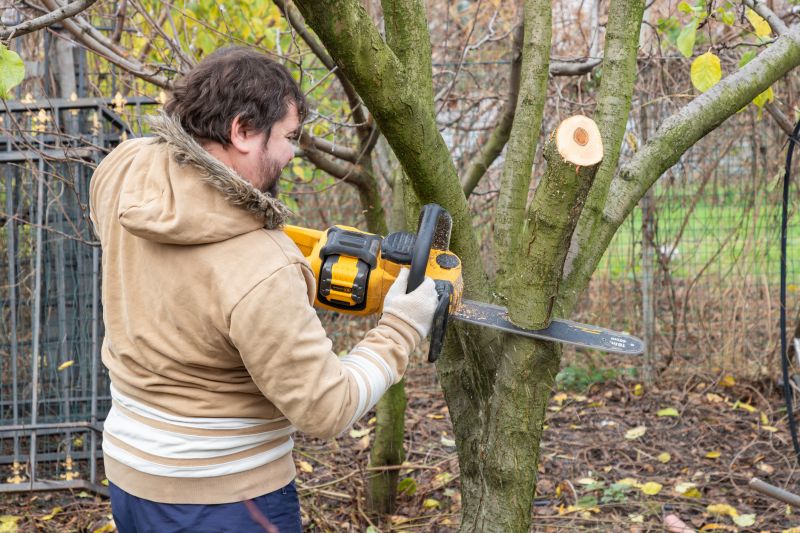
Clearly define your project scope and compare local contractors to ensure expectations are aligned before selecting a service provider.
- Verify the experience and reputation of local contractors specializing in residential tree services. - Ensure service providers clearly define the scope of work and responsibilities in written agreements.
- Compare multiple local contractors to assess their expertise and the range of services offered. - Look for providers who have a track record of handling similar residential tree projects.
- Check references or reviews to gauge the quality of past work performed by local service providers. - Confirm that contractors are transparent about their methods and procedures beforehand.
- Discuss and document safety procedures and equipment to ensure proper standards are maintained during the job. - Make sure the scope of work, including potential hazards, is outlined in writing to prevent misunderstandings.
- Assess the communication style and responsiveness of local contractors to determine their professionalism. - Choose service providers who provide detailed written estimates and clear explanations of the work involved.
Compare local contractors, clarify project scope, verify experience, and document expectations for your tree service.
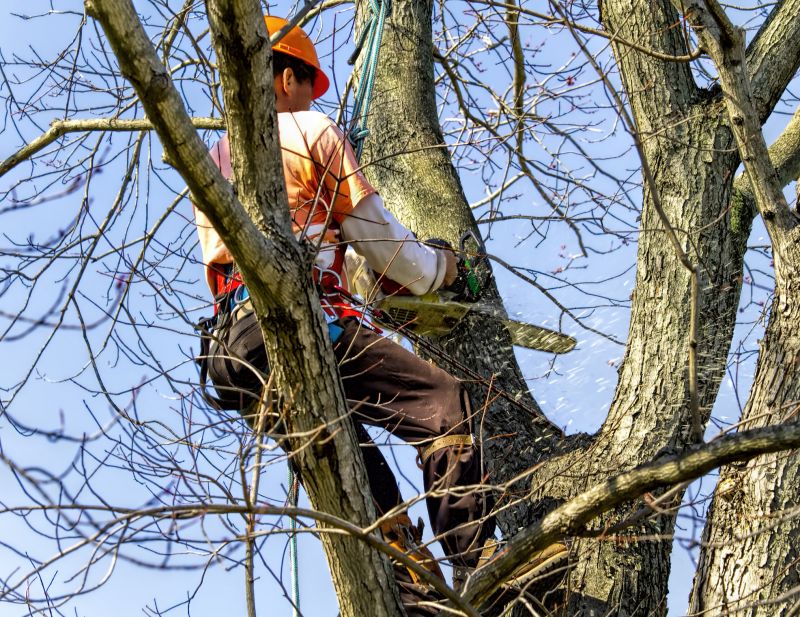
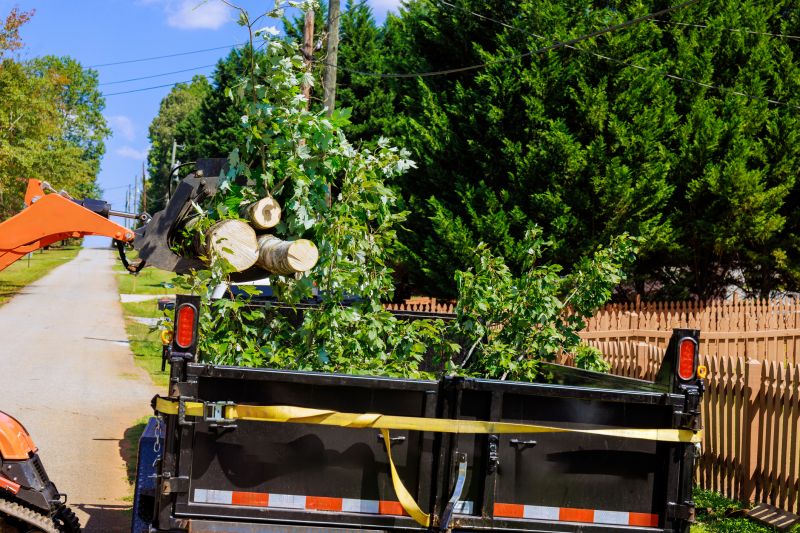
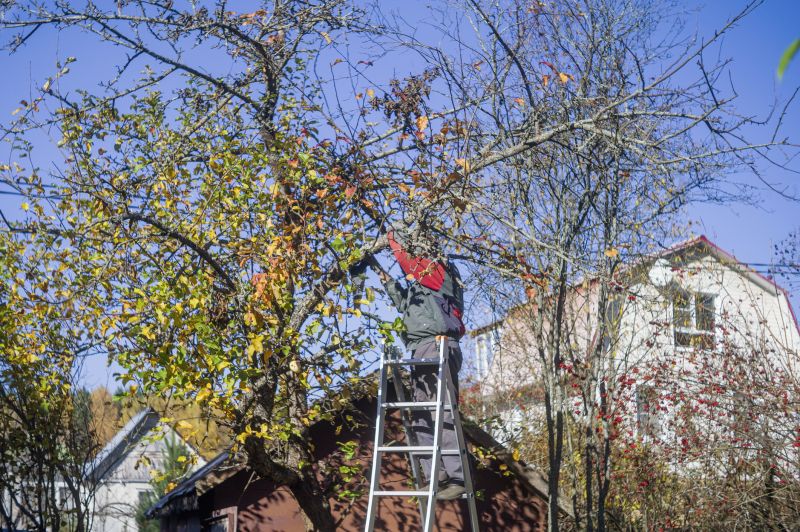

Use clear, consistent scope definitions and verify contractor experience to fairly compare residential tree service providers.
- Scope Definition - Clearly outline the specific tree services needed, such as pruning, removal, or stump grinding.
- Experience Verification - Confirm that the service providers have relevant experience handling residential tree care projects.
- Insurance and Liability - Ensure that contractors carry appropriate insurance to cover potential damages or accidents during work.
- Written Agreements - Obtain detailed, written descriptions of the scope of work, including methods and safety measures.
- Comparison of Local Contractors - Evaluate multiple service providers based on their expertise, reputation, and scope of services offered.
When evaluating contractors for residential tree services, it is important to consider their experience with similar projects. Homeowners should look for service providers who have a proven track record handling the specific types of tree work needed, such as removal, pruning, or storm damage cleanup. Asking about the number of similar projects completed and the types of trees or property conditions they have experience with can provide insight into their familiarity with the work. This helps ensure that the contractor understands the unique challenges of the job and can deliver results aligned with expectations.
A clear, written scope of work is essential when comparing contractors. This document should outline the specific tasks to be performed, the types of equipment to be used, and any safety or property considerations. An explicit scope helps prevent misunderstandings and ensures that all parties agree on what will be done. Homeowners should request detailed descriptions of the proposed work and confirm that the scope covers all aspects of the project to avoid surprises or gaps in service.
Verification basics involve confirming a contractor’s background and reputation through straightforward means. Homeowners can ask for references from previous clients who had similar work done and inquire about their experiences. Checking for any available reviews or testimonials can also provide additional context. While formal licensing and insurance are not the focus here, verifying that the contractor is reputable and has a history of completing projects satisfactorily contributes to making an informed decision.
Evaluating options without discussing prices involves focusing on the quality of the service providers’ experience and approach. Homeowners should compare the clarity of project scopes, the contractor’s familiarity with similar projects, and the professionalism of communication. It is also helpful to assess how well each contractor’s proposed scope aligns with the homeowner’s expectations and needs. By emphasizing experience, clarity, and verification, homeowners can select the most suitable local service providers for their residential tree work.
Ask contractors to provide written scope details to ensure clear understanding and consistent project expectations.
- Experience and References - What relevant experience and references can local contractors provide for residential tree services?
- Scope of Work - How clearly does the contractor define the scope of work and the specific services included?
- Insurance and Liability - What insurance coverage and liability protections do the service providers have in place?
- Work Guarantees and Warranties - Are there written guarantees or warranties that outline the expected quality and scope of the work?
- Communication and Clarification - How will the contractor communicate project details and clarify expectations throughout the process?
How can I compare residential tree service contractors? Review multiple service providers by examining their experience, scope of work, and customer feedback to determine which contractor aligns with the project's needs.
What should I consider when defining the scope of tree service work? Clearly outline the specific tasks required, such as pruning, removal, or cleanup, to ensure contractors understand and can provide accurate descriptions of their services.
How do I verify a contractor's experience with residential tree services? Look for details about their previous projects, years of experience, and any relevant references or testimonials that demonstrate their expertise in similar jobs.
Why is it important to get written estimates and scope agreements? Having detailed, written documentation helps set clear expectations, prevents misunderstandings, and provides a record of the agreed-upon work and responsibilities.
What questions should I ask potential contractors about their work process? Inquire about their approach to safety, equipment used, and how they handle challenging situations to ensure their methods meet your expectations.
How can I ensure a contractor is suitable for my residential tree project? Compare their experience, scope of work, and communication clarity to find a service provider that aligns with the specific requirements of the project.
By reviewing the information provided, visitors can gain a clearer understanding of how to evaluate residential tree service contractors. They’ve learned the importance of defining the scope of work, verifying experience, and ensuring all details are agreed upon in writing. This approach helps in making informed comparisons among different service providers, facilitating a smoother selection process.
Using the quote form allows visitors to easily compare options available within their area. It’s a practical step to connect with trusted service providers who can handle the specific needs of residential tree work. Taking this step can help ensure the chosen contractor aligns with the project’s expectations and requirements.